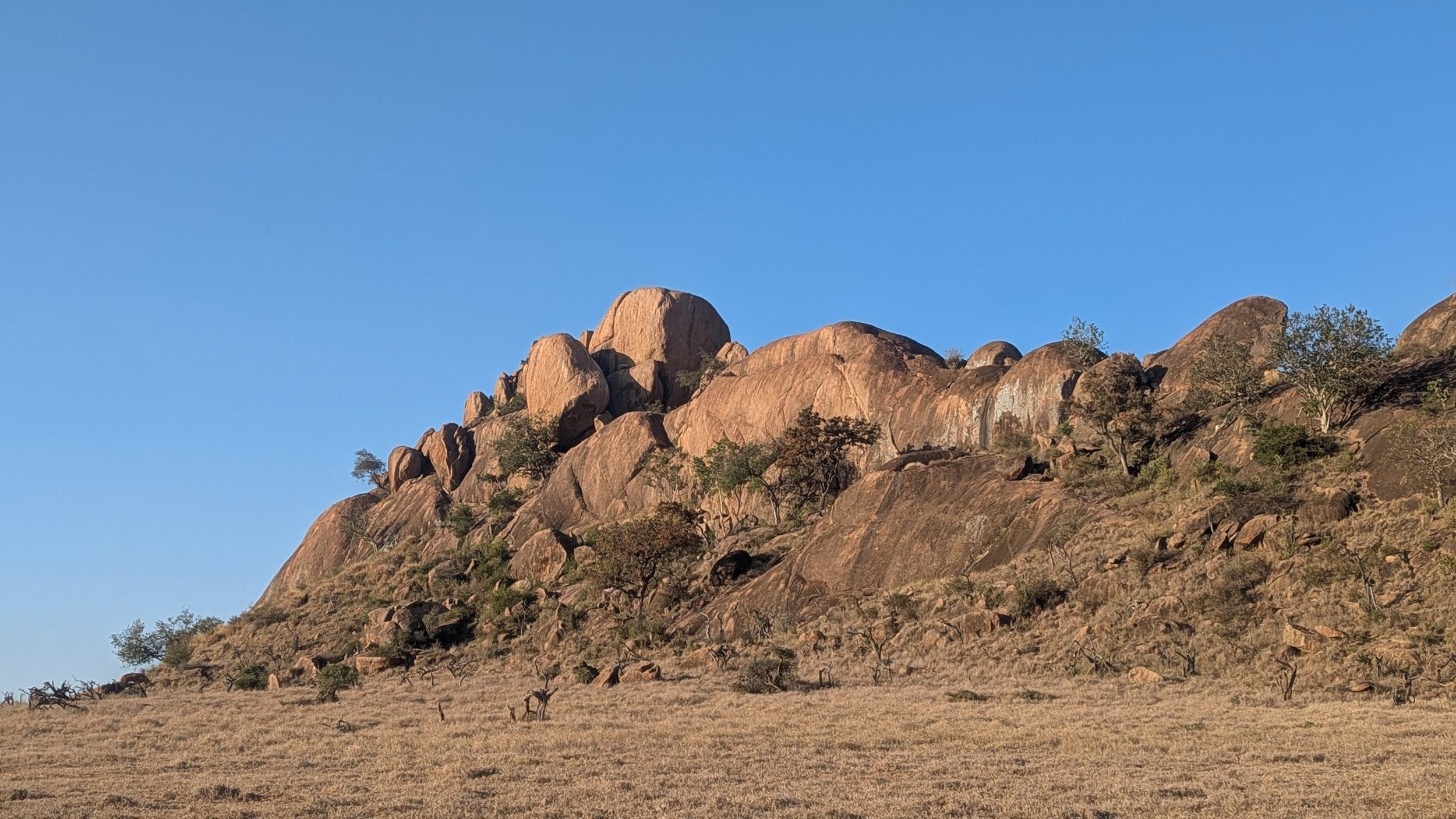
Mpala research center - Kenya.
Sleep ecology: social cost of sleep
Scroll ↓
Focus
Project co-sleep is a ERC funded project focusing on exploring the rarely studied topic of sleep in animals. We aim to investigate the role of sleep in social cohesion of Olive Baboons living Kenyan savanna using multi-modal sensors i.e. GPS, acceleration, thermal cameras and LiDAR recording. I am leading the AI deployment of studying behavioral interactions at night using a range of high-resolution thermal cameras.
Co-sleep
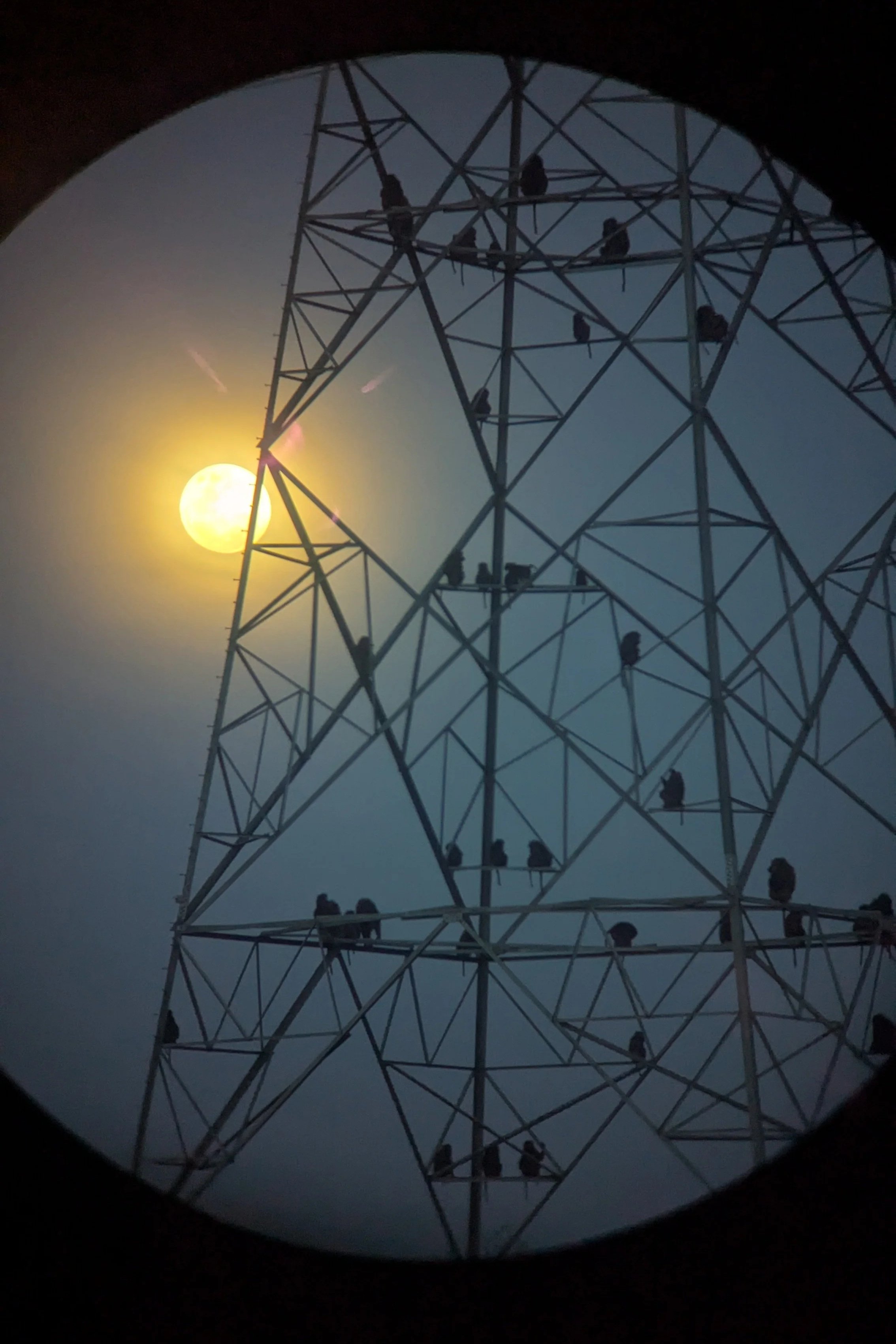
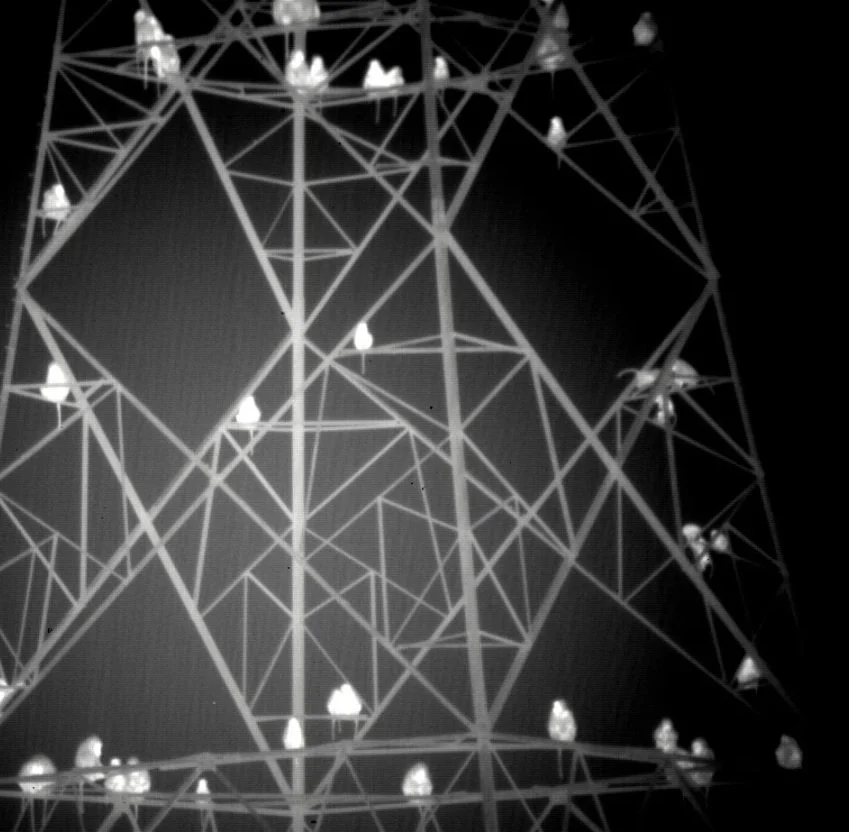
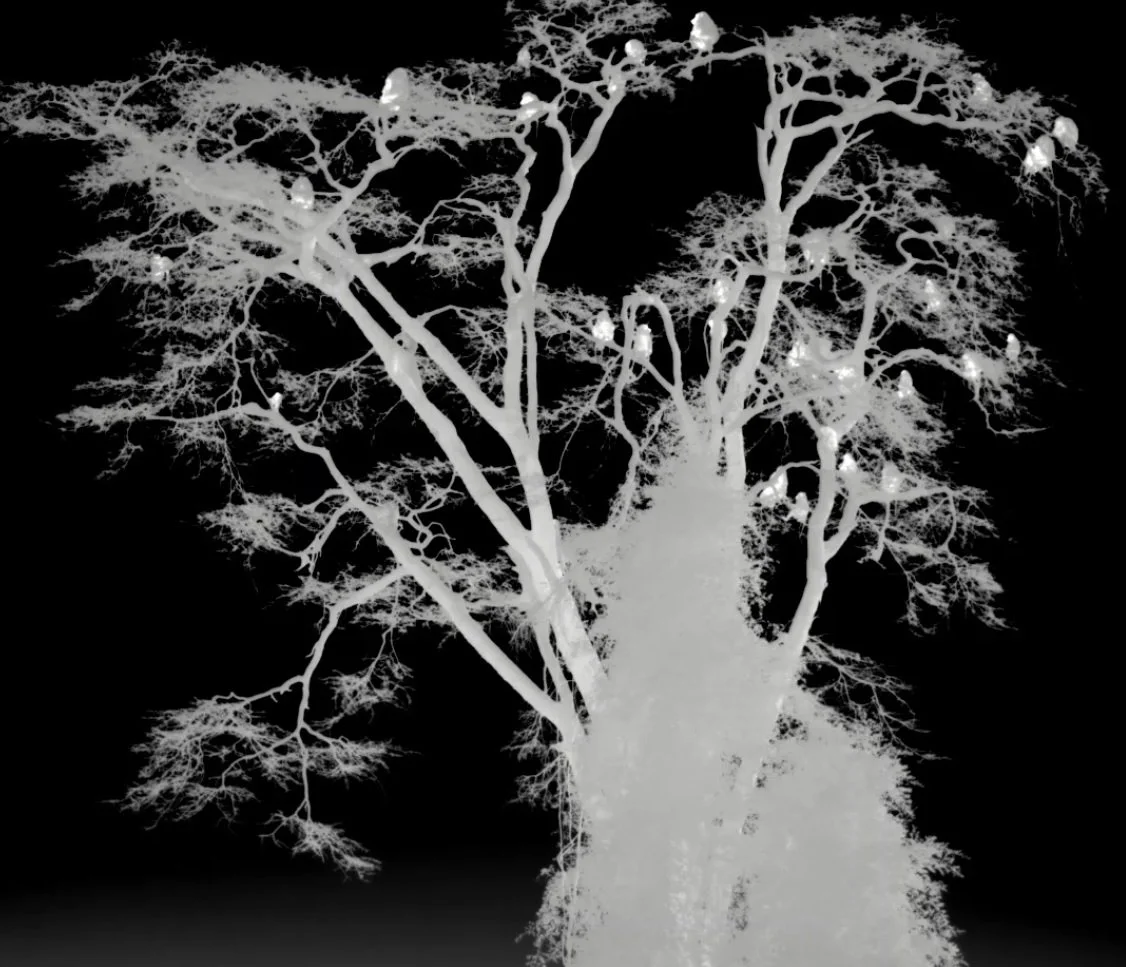
Do baboons with better sleep have a better quality of life i.e. access to resources, mating opportunities and security? It is extremely difficult to observe the nocturnal activity of wild animals because of practical challenges of observations without visual light. We will use thermal cameras to capture night time behaviors in unprecedented detail. We will use AI to analyze night time activities (sleeping, grooming, mating etc.) of 20 different groups of baboons at different sleeping locations (rocks, trees and electrical pylons). The behavior captured from videos will offer insights into decision making of different groups i.e. how do baboons chose locations? or How do they approach different sleeping sites? We conducted pilot studies for the project in Feb 2026 at the Mpala research center in Kenya. The pictures below show baboons on a electrical pylon and a tree seen with a thermal camera (04:00 AM). One the left side a real world scene at 8:00 PM on a full moon night is displayed for comparison.
Team
Prof. Dr. Meg Crofoot is leading the project. Other main collaborators on the project are Dr. Roi Harel (leading movement ecology), post-docs (Dr. Pranav Minasandra, Dr. Matt Schneider), PhD candidates (John and Juee Dhar).