Co-operation, social learning & tool use
Scroll ↓
I am working with a group of PIs to design a computer vision framework (individual identification, tracking and posture) for studying social learning, tool use and cognition in various animals. I am designing species-agnostic AI workflows with the goal of scaling the process of behavior coding in long-term video datasets. I am strategically using existing datasets and building new datasets with single or multiple camera setups. The broader idea is to build a reliable protocol to measure inter individual differences to study behavior mechanisms. Long-term datasets further allow linking behavior patterns with survival and climate data informing on the function and ontogeny of the behavior patterns.

Cooperation & learning
in Siberian Jays
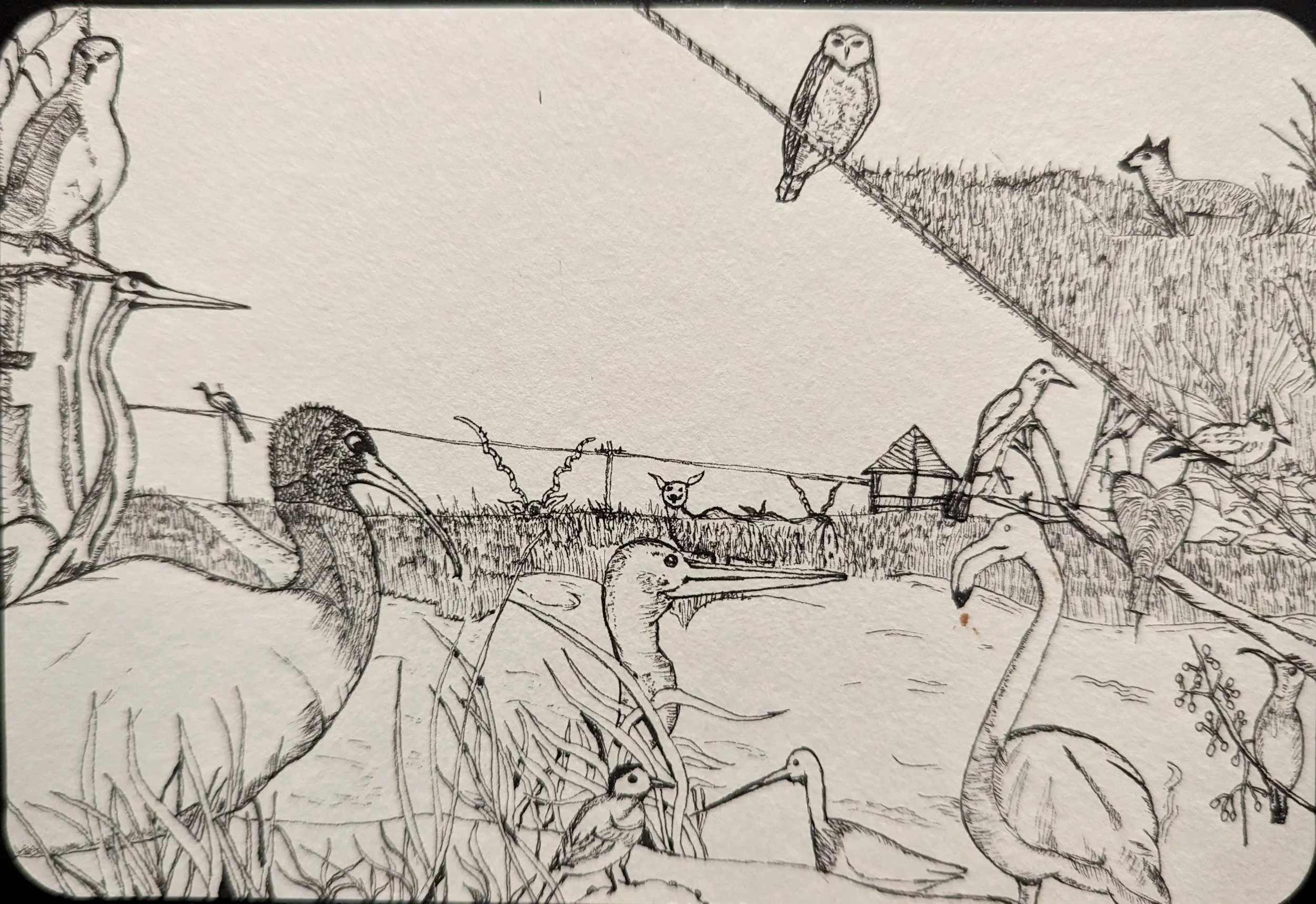
I am exploring cooperation and social learning in Siberian Jays with Dr. Alex Chan and Dr. Fumihiro Kano, Dr. Micheal Griesser and Dr. Miyako Warrington on the Siberian Jay project.
We want to study evolution of cooperation and learning by measuring behavior of Jays at the feeders and specialized puzzle boxes. We are developing an AI enabled toolkit for tracking social and spatial interactions from videos. The Siberian jay project consists of 37 year long dataset and we plan to deploy video based analysis to link behavior traits of individual animals with their fitness. The project is funded by CASCB (The Centre of the Advanced Studies of Collective Behavior) and I am advising leading strategic development for AI based monitoring.
Social learning in chimpanzee
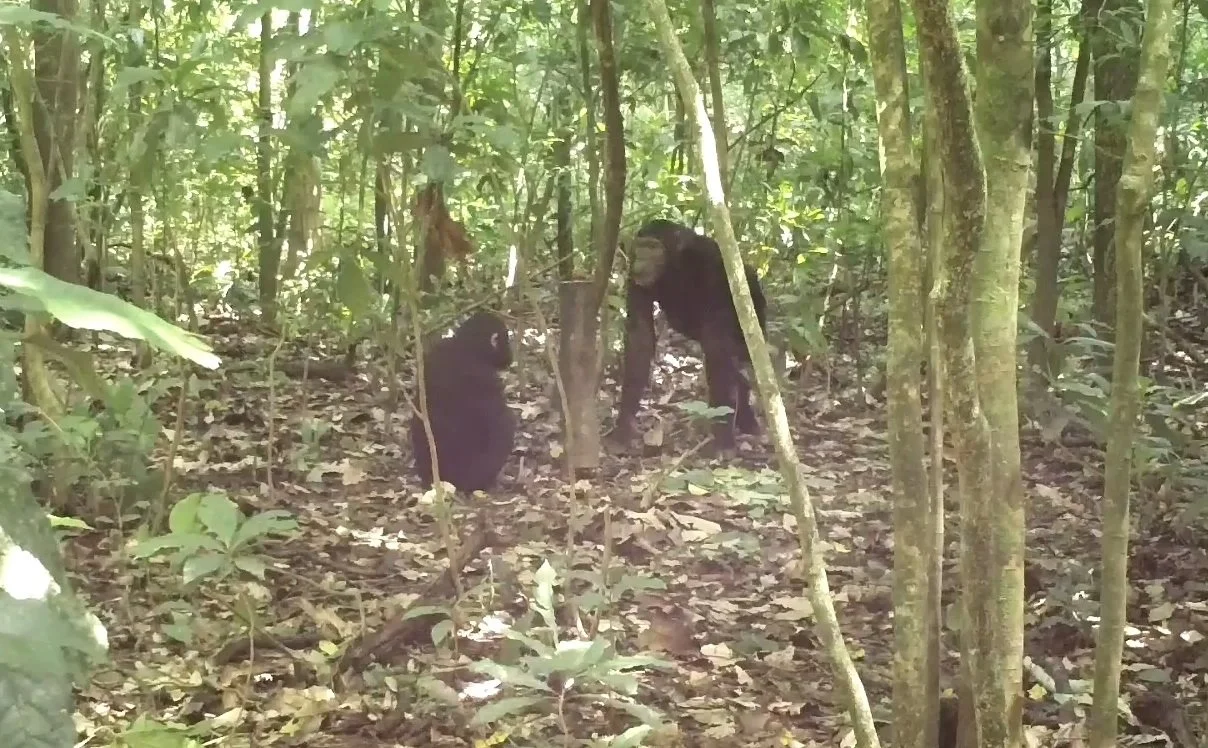
We are trying to understanding the process of learning in wild and captive Chimpanzees. This project is in collaboration with Dr. Caroline Schuppli.
I am working with a master student and a PhD candidate on this project. Our goal is to automate the process of quantifying behavioral interactions between chimps and novel objects. Our cutting edge AI models will quantify behavioral actions and offer means to compare actions of different individuals. This method will result in enhancing our understanding of innovation of tool use and active learning.
Learning tool use in
Capuchin monkeys
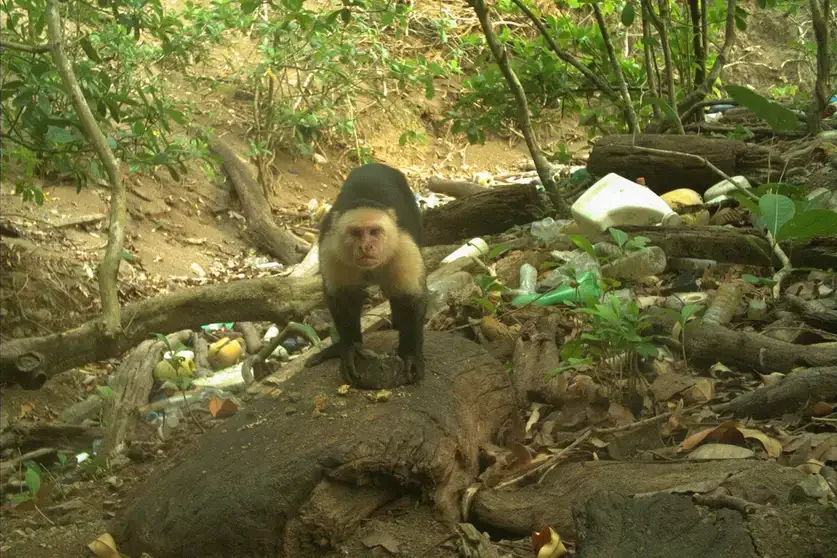
The project focuses on understanding the origins of tool use in Capuchin monkeys. The project is in collaboration with Dr. Brendan Barrett.
I mentor a master student for deploying object detection and posture tracking models with Capuchin monkeys. We want to measure the difference between the tool using techniques of individual monkeys. Our AI workflow will simplify video based analysis and contribute towards linking nut cracking ability with growth and survival.